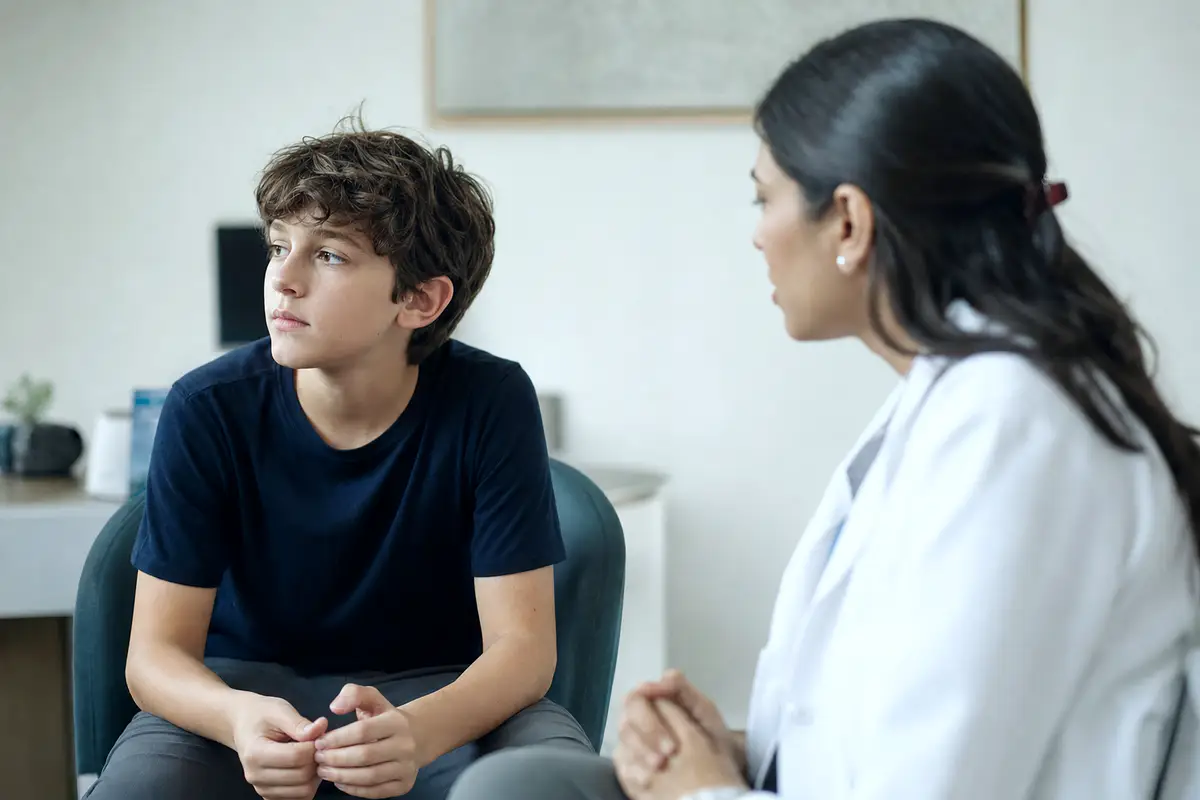
The information in this article is for educational purposes only and does not constitute medical advice. Always consult your child’s doctor before making any health decisions. If your child is having a medical emergency, difficulty breathing, a seizure lasting more than 5 minutes, unresponsiveness, call 911 immediately.
If your child complains of a headache, it's natural to feel a jolt of worry. Here's the reassuring truth: headaches in children are very common, and the vast majority are not dangerous. School-age children and adolescents get headaches for many ordinary reasons, dehydration, skipped meals, poor sleep, stress, too much screen time, or a mild illness like a cold. Some kids, like adults, get tension-type headaches or migraines that run in the family.
As Dr. Shawn Sedgh, MD explains in this guide, most headaches respond well to simple home care: rest in a quiet room, fluids, a regular meal, and age-appropriate comfort. This guide will walk you through the common causes of Pediatric headache, the patterns that are typical at different ages, and what you can safely try at home. It will also cover the red flags that mean it's time to call a doctor, a sudden severe headache, headache with fever and a stiff neck, any change after a head injury, or a headache that wakes your child from sleep.
You don't need to figure this out alone. Knowing what to watch for helps you act calmly and confidently when your child needs you.
Common causes of headaches in children
Most headaches in children come from everyday, manageable causes, and parents are often the best detectives. Dr. Shawn Sedgh, MD, author of this article for SimplyPedsNeuro, notes that a few patterns account for the majority of headaches in school-age kids and teens.
Common triggers to look for:
- Viral illness. Colds, flu, and sinus infections frequently bring head pain along for the ride. These usually fade as the illness does.
- Dehydration. Not drinking enough water, especially during sports, hot weather, or illness, is a frequent culprit. Offer water first.
- Skipped meals. Hunger and low blood sugar can trigger headaches, particularly in kids who rush out without breakfast.
- Screen strain and eye fatigue. Long stretches on tablets, phones, or computers tire the eyes. Regular breaks and an eye exam can help.
- Stress and anxiety. School pressure, friendship worries, and big changes at home can show up as head pain. Gentle conversation matters.
- Irregular or insufficient sleep. Late nights, early school mornings, and inconsistent weekend schedules are common triggers. Steady sleep times often make a real difference.
- Caffeine changes. Regular soda, energy drinks, or iced tea, and suddenly stopping them, can both cause headaches.
The reassuring part: most of these causes resolve with simple fixes, rest, food, water, and a calmer routine. Keeping a short headache diary noting timing, food, sleep, and screens can help you and your child's doctor spot patterns quickly. Pediatric headache care often starts with exactly this kind of observation.
Migraine vs. tension-type headaches: typical patterns in kids
When your child complains of a headache, the pattern often tells you more than the pain level alone. Two types account for most headaches in children, and they look quite different.
Tension-type headaches are the most common. The pain is usually mild to moderate, feels like pressing or tightening (kids often say "a tight band"), and shows up on both sides of the head. These headaches don't typically get worse with running around or playing, and they rarely come with nausea. A child can usually keep going with their day, even if they're uncomfortable.
Migraines behave differently. The pain tends to throb or pulse and can be felt on one or both sides, in younger children, both sides is actually common. Migraines often bring nausea, sometimes vomiting, and a strong dislike of bright light or loud noise. Many kids want to lie down in a dark, quiet room, and the headache may ease after sleep. Activity tends to make the pain worse.
Family history matters here. If a parent or sibling gets migraines, a child's recurring headaches are more likely to be migraines too, it's worth mentioning to your pediatrician.
Dr. Shawn Sedgh, MD notes that Pediatric headache evaluation focuses heavily on these patterns, so keeping a simple log of when headaches happen, how long they last, and what helps can be genuinely useful at the appointment. Trust what you observe; you know your child best.
Home care basics: what you can do right now
When a school-age child or teen comes home with a headache, a few simple steps often help more than anything else. Start with the basics: a glass of water and a small snack. Dehydration and skipped meals are two of the most common triggers in this age group, and both are easy to fix.
Next, let your child rest in a quiet, dark room. Bright light and noise tend to make head pain worse, and even twenty or thirty minutes of calm can make a real difference. Cut back on screens for the rest of the day, phones, tablets, and homework on a laptop can all add to the strain.
Looking ahead, steady routines matter. Regular sleep and wake times, three meals at predictable hours, and time built in to unwind can lower how often headaches show up. For older kids, talk openly about stress. School pressure, social worries, and packed schedules are frequent drivers, and naming them helps.
As Dr. Shawn Sedgh, MD notes in his Pediatric headache work, these measures tend to work well for mild, occasional headaches that fade within a few hours. They are less likely to help if the pain keeps coming back, grows worse over days, or arrives alongside other symptoms. That pattern deserves a call to your child's doctor. Trust what you're seeing at home, you know your child best.
Red flags: when a child's headache needs prompt medical care
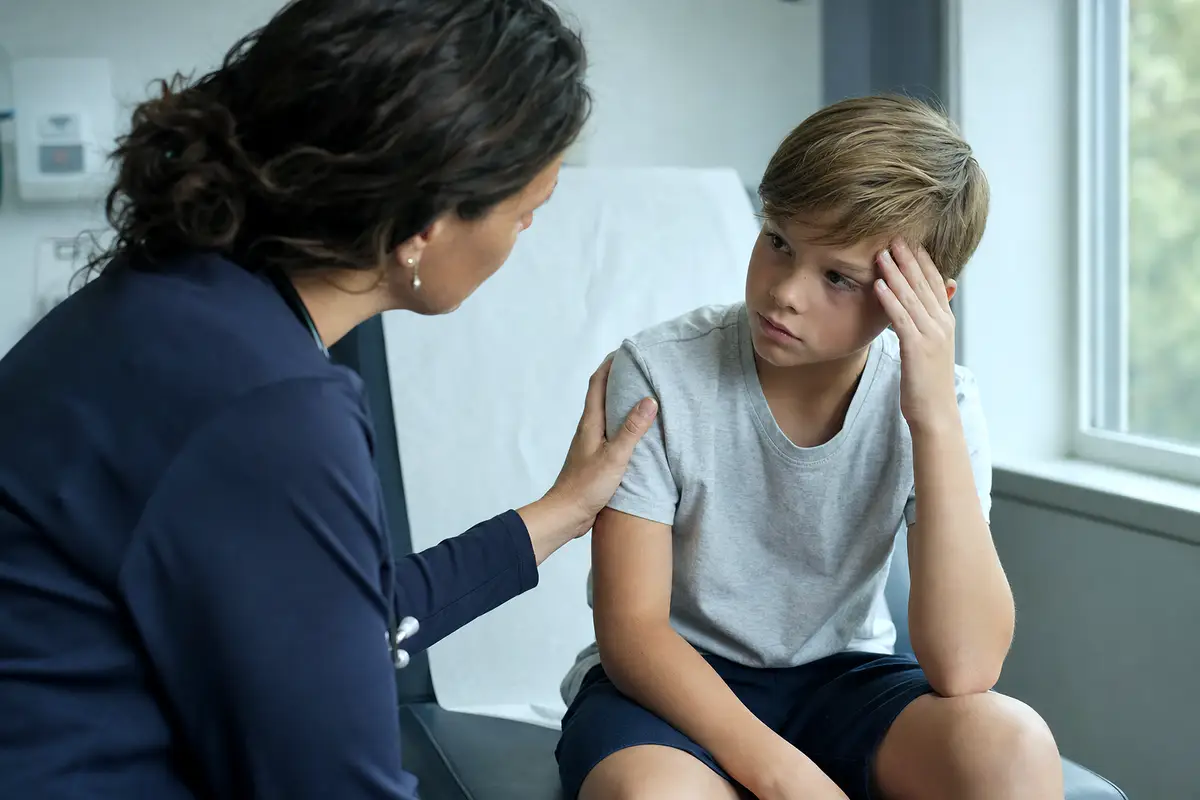
Most headaches in children are not dangerous. Still, parents deserve a clear, calm list of the moments when a headache should move you to act quickly. Dr. Shawn Sedgh, MD, emphasizes that the pattern and timing of a headache often matter more than the pain itself.
Seek emergency care right away if your child has:
- A sudden, severe headache, the kind your child describes as the worst they've ever had. This can signal bleeding around the brain and needs immediate evaluation.
- A headache with fever and a stiff neck. If your child can't comfortably touch their chin to their chest, or seems unusually drowsy or confused, go to the emergency room. These can be signs of meningitis.
- A new or worsening headache after a head injury, even one that seemed minor at the time. Watch closely for vomiting, clumsiness, slurred speech, or behavior changes in the hours and days that follow.
- A headache that wakes your child from sleep, or one that is consistently worst in the morning. These patterns can point to increased pressure inside the head and should be assessed promptly, especially if paired with vomiting or vision changes.
If your child seems off in a way you can't explain, more tired, more irritable, not acting like themselves, trust that instinct. You know your child best.
A quick note on uncertainty: no checklist captures everything. A Pediatric headache that is recurring, getting more frequent over weeks, or interfering with school and play deserves a conversation with your child's doctor, even if it isn't an emergency. Writing down when headaches happen, how long they last, and what else was going on can help that visit go further.
Routine visit or emergency room? How to decide
Most headaches in children are not dangerous, but parents often wonder where to take their child first. Here is a simple way to think about it, according to Dr. Shawn Sedgh, MD.
Schedule a routine pediatric visit if your child's headaches:
- Keep coming back, even if each one seems mild
- Happen more often over weeks or months
- Interfere with school, sports, or sleep on a regular basis
- Run in the family, since migraines often do
A scheduled appointment gives your doctor time to spot patterns and plan next steps without the rush of an emergency setting.
Go to urgent care or the emergency room right away if your child has:
- A sudden, severe headache that comes on fast
- A headache with fever and a stiff neck
- A new headache or a clear change after a head injury
- A headache that wakes them from sleep
- New weakness, confusion, vision changes, or trouble speaking
These red flags need same-day evaluation, no matter your child's age.
While you wait for care:
- Offer water and a quiet, dim room
- Note when the headache started, what it feels like, and anything that made it better or worse
- Write down other symptoms, like nausea or light sensitivity
Bringing these notes to any Pediatric headache visit helps your doctor help your child faster. When in doubt, call your pediatrician's office, many have a nurse line that can guide your next step.
What the doctor may ask and how to track symptoms
A little preparation before the appointment makes a real difference. Dr. Shawn Sedgh, MD suggests keeping a headache diary for your child for a few weeks beforehand. Write down how often headaches happen, how long each one lasts, and how strong it feels, a simple 1-to-10 scale works well for school-age kids and teens. Note possible triggers too: skipped meals, poor sleep, screen time, stress, or certain foods.
Also jot down anything that comes along with the pain, like nausea, sensitivity to light or sound, dizziness, or vision changes. And expect questions about family history, since migraines often run in families.
At the visit, the doctor will likely ask about school, sleep habits, hydration, and any recent head injuries. Be ready to describe red flags you've noticed, a sudden severe headache, headache with fever and stiff neck, a change after a head injury, or a headache that wakes your child from sleep.
This record turns guesswork into patterns. Pediatric headache care depends on details, and your diary gives the doctor the clearest picture of what your child is experiencing, and what to do next.
Next step: trust your instincts and act with confidence
Most headaches in children come from everyday causes: dehydration, skipped meals, eye strain, not enough sleep, or a common virus. These usually ease with rest, water, and a regular routine.
The red flags are different. As Dr. Shawn Sedgh, MD explains in his work on Pediatric headache, parents should pay close attention to a sudden severe headache, a headache with fever and a stiff neck, any headache that changes after a head injury, or one that wakes a child from sleep.
Here's the honest part: no article can see your child. You can. You know what's normal for them and what isn't. If something feels off, that feeling deserves attention.
For recurring headaches, call your pediatrician and describe the pattern, when they happen, how long they last, and what helps. If any red flag appears, seek emergency care right away. Acting promptly is never an overreaction.