The information in this article is for educational purposes only and does not constitute medical advice. Always consult your child’s doctor before making any health decisions. If your child is having a medical emergency, difficulty breathing, a seizure lasting more than 5 minutes, unresponsiveness, call 911 immediately.
Maybe it started at a regular checkup, when your pediatrician paused a little longer than usual. Maybe a teacher mentioned that your child seems to lose focus mid-sentence, or you've noticed headaches, twitches, or a milestone that isn't arriving when you expected. Whatever raised the question, you're now wondering whether your child needs to see a specialist, and searching "pediatric neurologist near me" at midnight is a stressful place to begin.
This guide is here to steady that moment. It is not a diagnosis tool, and it won't tell you what's wrong. Instead, it offers a practical path for families in greater Los Angeles who are deciding what to do next.
By the end, you'll know the warning signs that typically prompt a neurology referral, what pediatric neurologists actually do, what happens at a first appointment, and how to choose a provider who fits your child. We'll close with clear next steps, so you can move forward with confidence rather than worry.
Signs and situations that may call for a referral
Parents usually start searching for a pediatric neurologist near me after something specific nags at them. According to Dr. Shawn Sedgh, MD, the most common reasons families seek a child neurology evaluation include:
- Seizures or unexplained staring spells, moments when a child seems to "check out" and doesn't respond
- Persistent or worsening headaches, especially ones that wake a child at night or come with vomiting
- Developmental delays or regression, losing words, motor skills, or milestones they once had
- Coordination or movement problems, like frequent tripping, clumsiness beyond the norm for their age, or unusual postures
- Frequent tics, repetitive blinking, throat clearing, or movements a child can't easily control
- Significant sleep disturbances that don't respond to routine changes
- Fainting episodes, particularly during activity
- A pediatrician's recommendation, often the clearest signal of all
Notice what's missing from that list: a diagnosis. These are reasons to *ask*, not conclusions. A staring spell can be a seizure or simple daydreaming. Headaches in kids are common and usually have manageable causes. Regression deserves prompt attention, but the answer varies widely. Pediatric neurology exists to sort these questions out carefully, not to confirm the worst.
In Los Angeles, referrals often begin with your pediatrician, who can share records and observations that make the first visit more useful. Write down what you've seen, when it started, how often it happens, what it looks like, before the appointment. Short phone videos of episodes help enormously.
You know your child best. If something feels off, asking is always reasonable.
Pediatrician vs. pediatric neurologist: what's the difference?
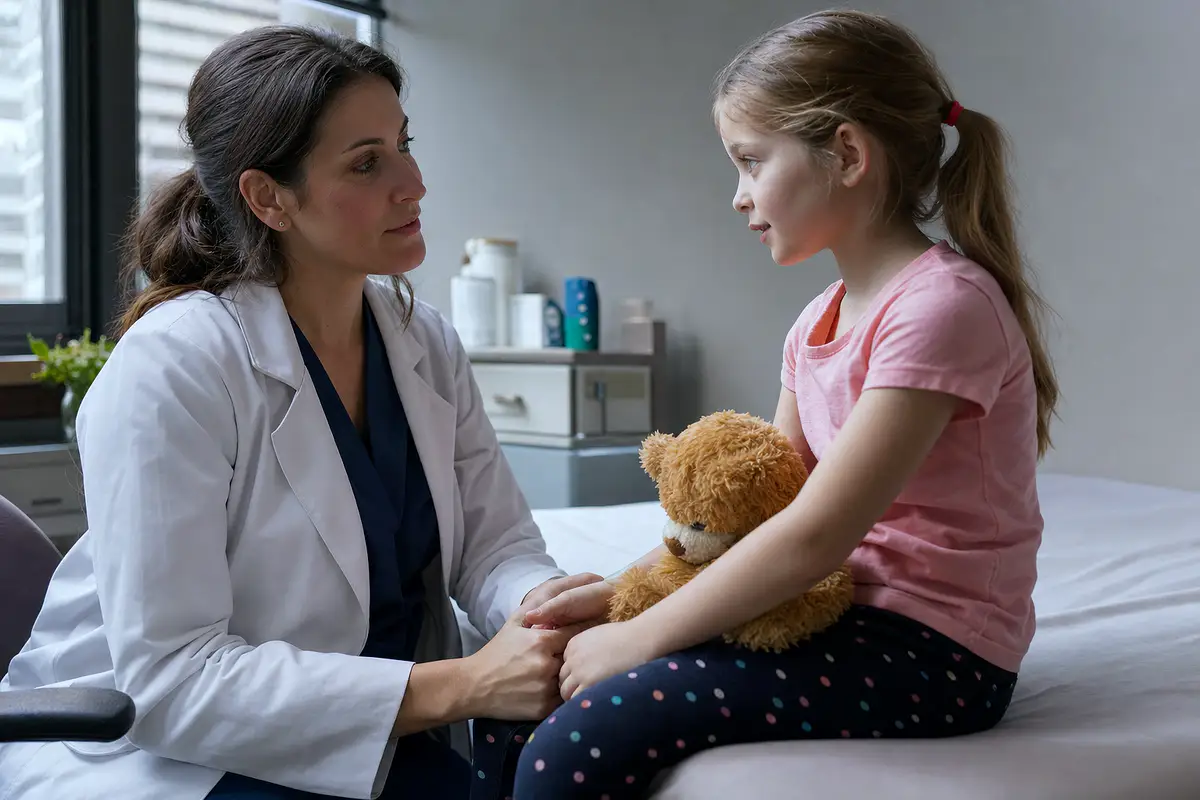
Your child's pediatrician is their medical home base. They handle well visits, vaccines, fevers, ear infections, growth tracking, and the everyday questions that come with raising kids. They're also usually the first person to hear your concerns, a toddler who isn't talking yet, a school-age child with frequent headaches, a teen who fainted at practice. In most cases, the pediatrician evaluates first and manages common issues without needing extra help.
A pediatric neurologist does something narrower and deeper. Pediatric neurology is the specialty focused on the brain, spinal cord, nerves, and muscles in children, from infancy through the teen years. These doctors spend their careers evaluating concerns like seizures, tics, developmental delays, unusual movements, weakness, or headaches that don't follow a typical pattern. They bring training and testing that a general office visit can't offer.
Here's what matters most for parents searching "pediatric neurologist near me": a referral is not a verdict. It usually means your pediatrician wants a clearer picture, to rule something out, confirm a hunch, or get a specialist's eyes on symptoms that are hard to pin down. Many referrals end with reassurance and a plan. Some lead to a diagnosis and real answers, which is often a relief in itself.
In Los Angeles, families typically move from pediatrician to specialist through a referral, though calling a neurology office directly can clarify what records you need. Dr. Shawn Sedgh, MD emphasizes starting with your pediatrician, then bringing your notes, what you've seen, when it started, and videos of the episodes if you have them, to the first visit.
What a first evaluation usually looks like
Knowing what to expect can make the first appointment much less stressful for you and your child. Here's a typical visit, as described by Dr. Shawn Sedgh, MD.
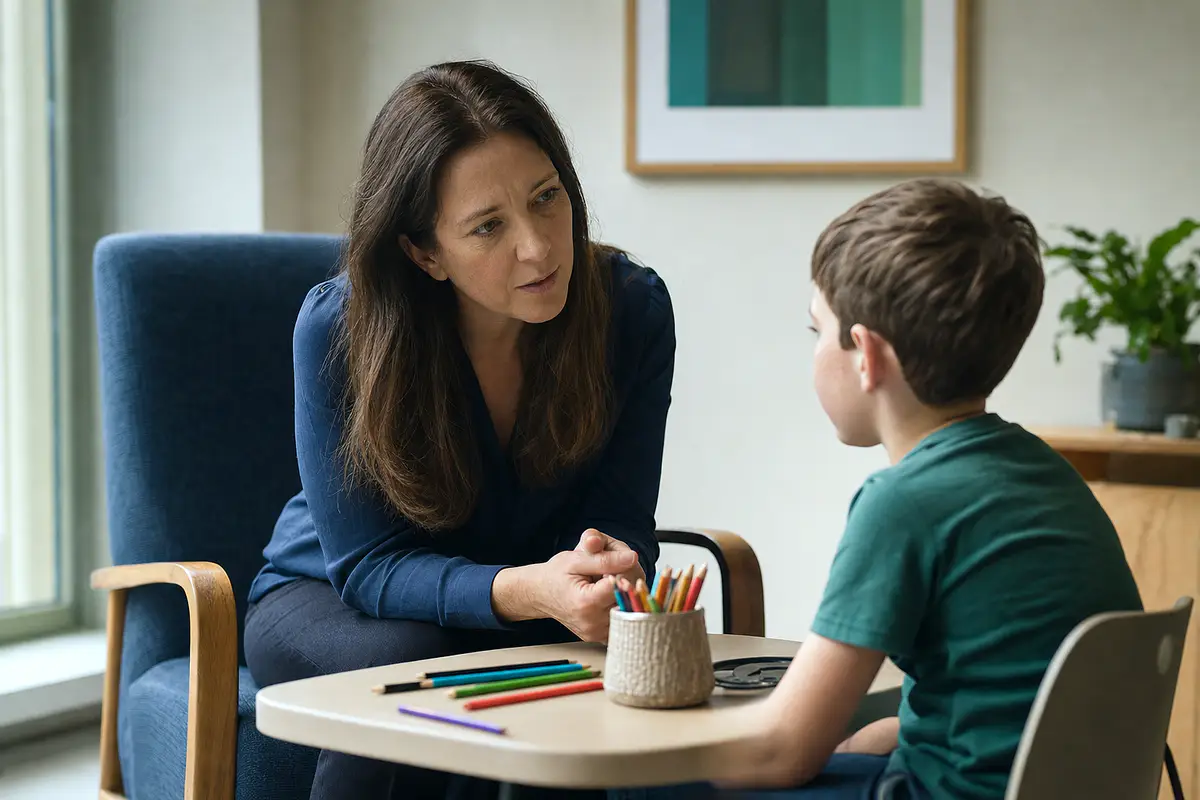
History first. The neurologist will review your child's medical, birth, and developmental history in detail. Expect questions about pregnancy, delivery, early milestones like walking and talking, and any family history of neurological conditions. Bring notes from teachers or caregivers if you have them, school observations often reveal patterns parents don't see at home.
Questions about symptoms. You'll be asked when the concern started, how often it happens, and what it looks like. Short phone videos of the episode (a tic, a staring spell, an unusual movement) can be genuinely helpful.
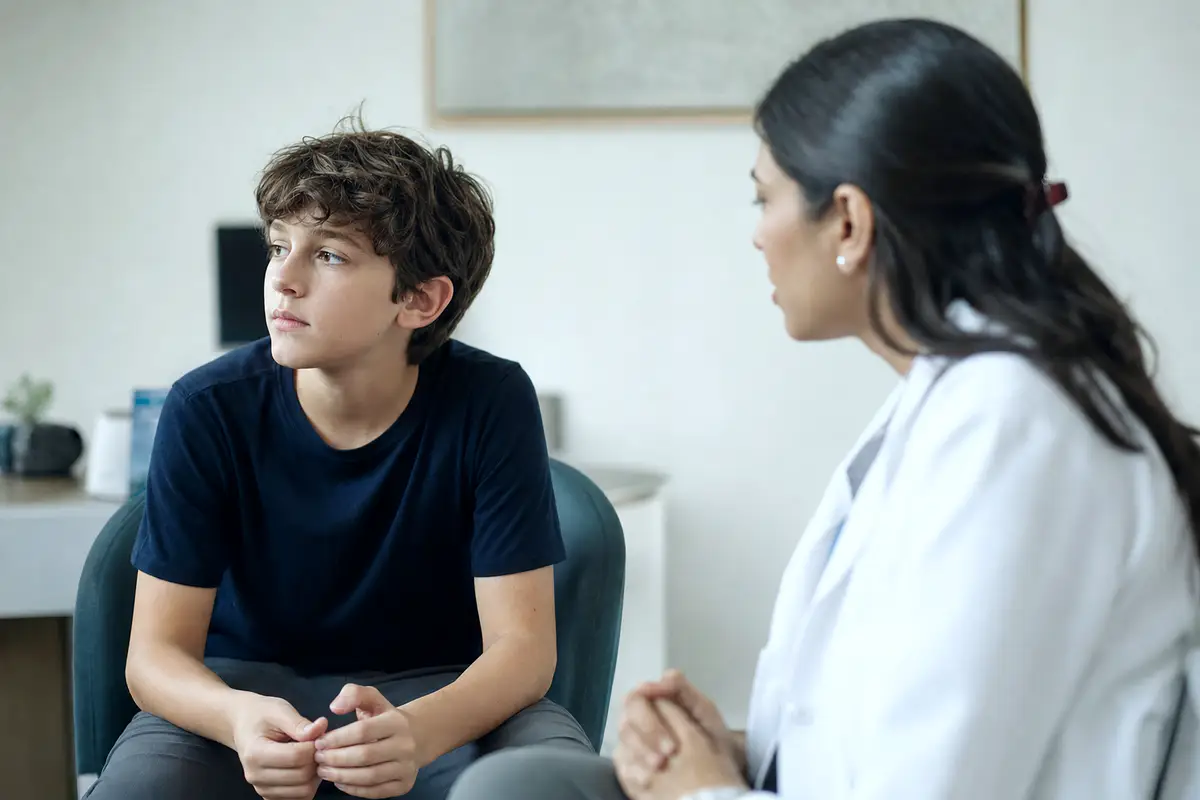
The exam. A neurological exam is gentle and often feels like play to younger kids. The doctor checks reflexes, coordination, balance, muscle tone, and speech, sometimes by having your child hop, walk a line, or follow simple instructions.
Next steps. If you're searching for a pediatric neurologist near me, know that testing isn't automatic. Based on the history and exam, the neurologist may recommend an EEG or imaging, or may recommend nothing at all.
Here's what surprises many families: a large share of first visits in Pediatric neurology end with reassurance or a watch-and-wait plan, not a diagnosis. For parents across Los Angeles, that careful "let's monitor this" conversation is often the most valuable outcome of the day.
How to choose the right provider in a large metro area
When a pediatrician suggests a neurology referral, the next question is usually practical: who, where, and how soon? In a region as spread out as Los Angeles, the "right" provider is often the one your family can actually reach and work with over time.
Start with your pediatrician. A referral from a doctor who knows your child's history carries real weight, and many insurance plans require one anyway. Before booking, confirm the practice is in your network and ask your insurer what the referral process looks like, coverage rules vary, so verify costs with your plan directly rather than assuming.
Geography matters more than parents expect. A clinic across town can mean an hour in traffic each way, which adds up fast if follow-up visits are likely. Ask whether the practice offers telehealth for check-ins; many do, and it can save significant stress for stable, ongoing concerns.
Then ask a few direct questions before scheduling: Does the practice regularly see children your child's age? Do they frequently evaluate your child's specific concern, whether that's headaches, tics, developmental delays, or something harder to name? Who handles urgent questions between visits? What should you bring to the first appointment, school reports, videos of the episodes, prior test results?
Pediatric neurology covers a wide range of conditions, and fit matters. As Dr. Shawn Sedgh, MD notes, a good provider will welcome these questions rather than brush them aside. If answers feel vague or rushed, that tells you something. Trust the specifics, not the pitch.
When it's urgent vs. when it can wait
Some symptoms can't wait for a referral. Call 911 or go to the ER if your child has a first seizure lasting more than five minutes, a sudden severe headache with a stiff neck or vomiting, sudden weakness on one side, loss of consciousness, or a major change in behavior after a head injury. These can signal something serious that needs evaluation right now, not next month.
Other concerns are real but appropriate for a scheduled visit. Tics that come and go, mild speech or motor delays, recurring headaches that don't stop daily life, or brief staring spells often lead families to search for a pediatric neurologist near me. That's a reasonable step, just not an emergency one. In Los Angeles, families typically start with their pediatrician, who can help decide whether a referral to Pediatric neurology makes sense and how quickly it should happen.
The gray area trips up most parents. Dr. Shawn Sedgh, MD, author of this article for SimplyPedsNeuro, emphasizes a simple rule: when in doubt, call your pediatrician first or head to urgent care. A quick conversation can sort "needs the ER tonight" from "let's book an appointment." Trust your instincts. You know your child's baseline better than anyone, and speaking up early is never the wrong call.
How to prepare before the appointment
A first visit with a pediatric neurologist works best when you arrive organized. Dr. Shawn Sedgh, MD, recommends bringing these items:
- A written symptom timeline. When did you first notice the issue? How often does it happen? What seems to trigger it? Even rough dates help.
- Videos of episodes. Staring spells, unusual movements, tics, or sleep events are hard to describe in an exam room. A short phone video can say more than a paragraph of notes.
- Developmental and birth history. Include pregnancy or delivery complications, and when your child reached milestones like walking and first words.
- A current medication list. Include supplements and anything taken only occasionally.
- Teacher or school observations. Notes about attention, behavior, or episodes seen in class add real context.
- Previous test results. Bring imaging, lab work, or reports from other specialists if you have them.
- Your questions, written down. Parents often forget half of what they wanted to ask once the visit starts.
Good preparation matters. Pediatric neurology visits in Los Angeles can involve scheduling and travel, so a well-organized first appointment helps the doctor assess your child more accurately and may reduce repeat visits for missing information. If you're searching for a pediatric neurologist near me, this checklist is a strong place to start.
Next step: talking to your pediatrician and booking a consultation
Start with the doctor who already knows your child. Bring your notes: what you've seen, when it started, how often it happens. Short videos on your phone can help too, since kids rarely perform symptoms on cue in an exam room.
Ask your pediatrician two direct questions. First, does this warrant a referral to a specialist? Second, what will my insurance cover, and do I need pre-authorization? In Los Angeles, referral and coverage steps vary by plan, so confirm the details before you book rather than assuming.
Dr. Shawn Sedgh, MD, a specialist in Pediatric neurology, encourages families to treat the first visit as a conversation, not a verdict. Many initial consultations, and most follow-ups, work well over telehealth, which can spare you a long drive with an anxious kid.
Here's the part parents need to hear: asking for an evaluation is not an overreaction. It's a normal, proactive step. Earlier evaluation usually means earlier answers, and even when the answer is "let's watch and wait," that's still useful information.
You know your child best. If something feels off, trust that instinct and make the call.